

Car Shipping Cost
Car shipping cost varies by shipment. Pricing is based on distance, route demand, vehicle details, timing, and how the shipment fits into active carrier routes. There is no universal flat rate for shipping a vehicle, and prices change as market conditions change.Understanding how car shipping costs are structured helps set realistic expectations before requesting a quote and avoids confusion later in the process.
Average Car Shipping Cost Ranges
Car shipping costs are typically discussed as ranges rather than fixed prices. Short-distance routes generally cost less than long-distance routes, while cross-country shipping involves higher overall cost due to distance and transit time.Pricing also reflects how common a route is. High-demand corridors often offer more competitive pricing, while low-demand routes may cost more due to limited carrier availability.
Distance and Route Demand
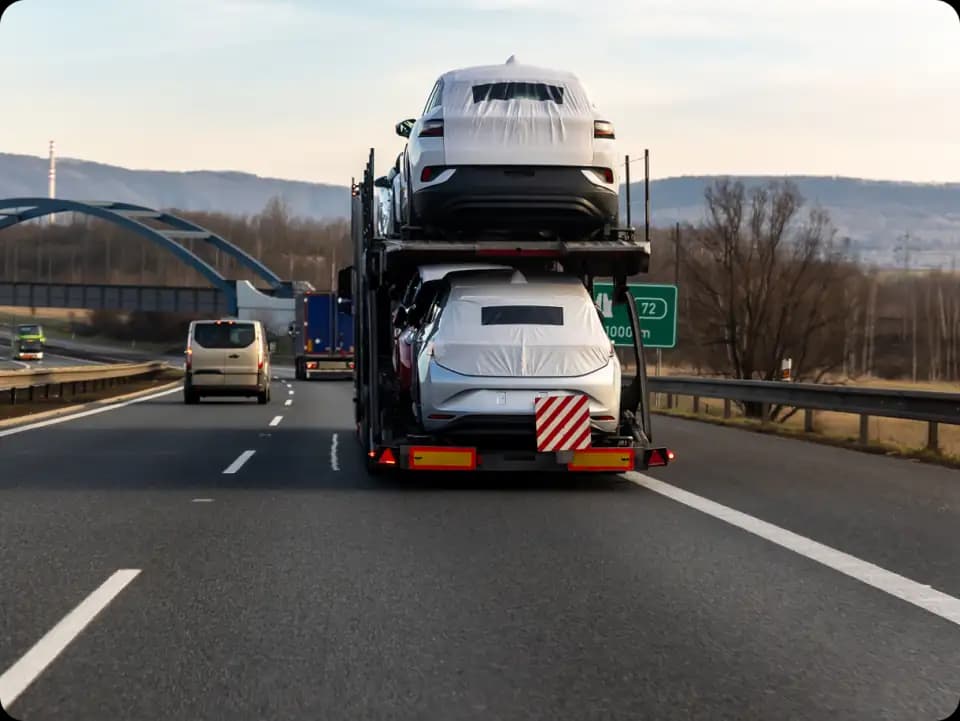
Distance is one of the strongest cost drivers in car shipping. Longer routes require more fuel, time, and coordination. However, distance alone does not determine price. Route demand plays a significant role.Routes with frequent carrier traffic tend to be priced more competitively. Less common routes require additional coordination and may cost more even if the distance is shorter.
Vehicle Type and Condition
Vehicle size, weight, and condition affect shipping cost. Larger vehicles take up more space on a carrier and may reduce the number of vehicles that can be transported on a single route. Non-running vehicles require specialized equipment, which increases cost.Accurate vehicle details help ensure pricing reflects actual transport requirements and prevents last-minute adjustments.

Open vs Enclosed Transport Cost Differences
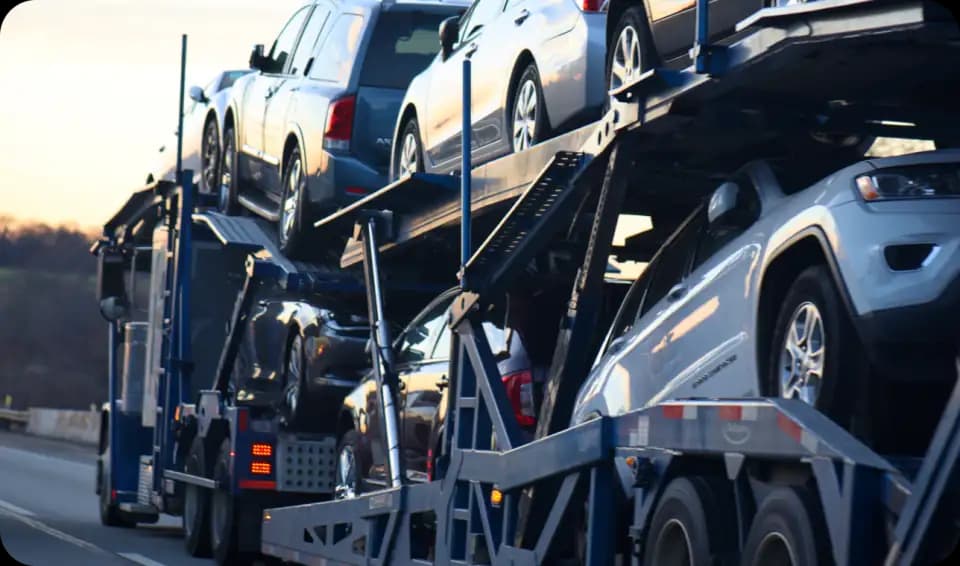
Transport method affects cost significantly. Open transport is generally the most cost-effective option and is commonly used for standard vehicles. Enclosed transport involves additional equipment and reduced capacity, resulting in higher cost.Cost differences reflect protection level, carrier availability, and route alignment rather than service quality.For a detailed comparison, see Open vs Enclosed Shipping Cost.
Timing and Scheduling Flexibility
Timing flexibility influences cost. Shipments with flexible pickup windows are easier to match with active carrier routes and may be priced more competitively. Rigid pickup or delivery requirements can increase cost due to limited routing options.Seasonal demand also affects pricing. Peak relocation periods may see higher pricing due to increased demand and limited carrier capacity.

Pickup and Delivery
Location Factors
Location access affects pricing. Urban areas with strong carrier presence often offer more competitive pricing. Remote or hard-to-access locations may require additional coordination, increasing cost.When direct access is not possible, alternative meeting locations may be arranged to reduce complexity and control cost.

Why Car Shipping Prices
Change
Car shipping prices change due to market conditions. Fuel costs, carrier availability, seasonal volume, and route demand all influence pricing at any given time.Quotes reflect current conditions. Pricing may differ if shipment details or timing change.For deeper logic, see How Car Shipping Prices Are Determined.
Understanding Low Quotes and Price Risks
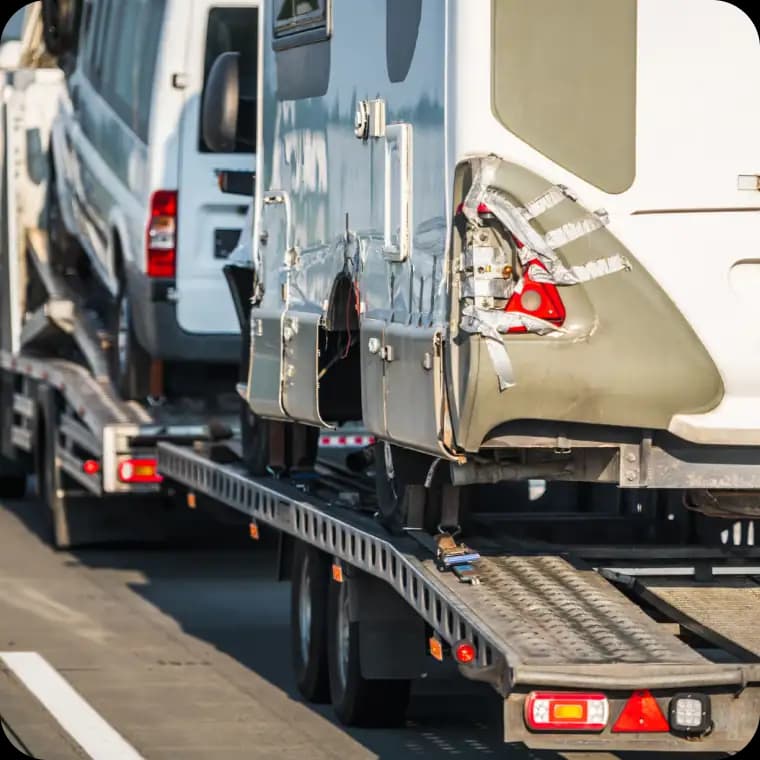
Unusually low quotes often fail because they do not reflect real carrier pricing. These quotes may lead to delays, rescheduling, or price changes once scheduling begins.Understanding how pricing works helps avoid selecting quotes that cannot be executed reliably.For more detail, see Why Cheap Car Shipping Quotes Fail.

How Car Shipping Cost Fits Into the Process
Pricing is the first step in the car shipping process. Once cost expectations are clear, scheduling, carrier assignment, pickup, transit, and delivery follow.A complete view of how pricing connects to execution is available on the Car Shipping Process page.
Car Shipping Cost FAQs
How much does it usually cost to ship a car?
How much does it usually cost to ship a car?
Why do car shipping quotes vary so much?
Why do car shipping quotes vary so much?
Is the cheapest car shipping quote the best option?
Is the cheapest car shipping quote the best option?
Does enclosed transport always cost more?
Does enclosed transport always cost more?
Can car shipping cost change after booking?
Can car shipping cost change after booking?
Does flexibility help lower car shipping cost?
Does flexibility help lower car shipping cost?


Request a Car Shipping Quote
Understanding cost structure and expectations helps avoid surprises. Once details are clear, a quote can be requested based on route demand, vehicle information, and timing availability.